There is the checklist they give you when you become a teacher.
Then there is the checklist you create because you quickly realize there are approximately 47 things nobody thought to mention.
Simple checklists have saved my life.
Not because they make teaching simple. They don’t.
But because when everything feels like it needs your attention at the same time, having somewhere to start can feel like a small act of sanity.
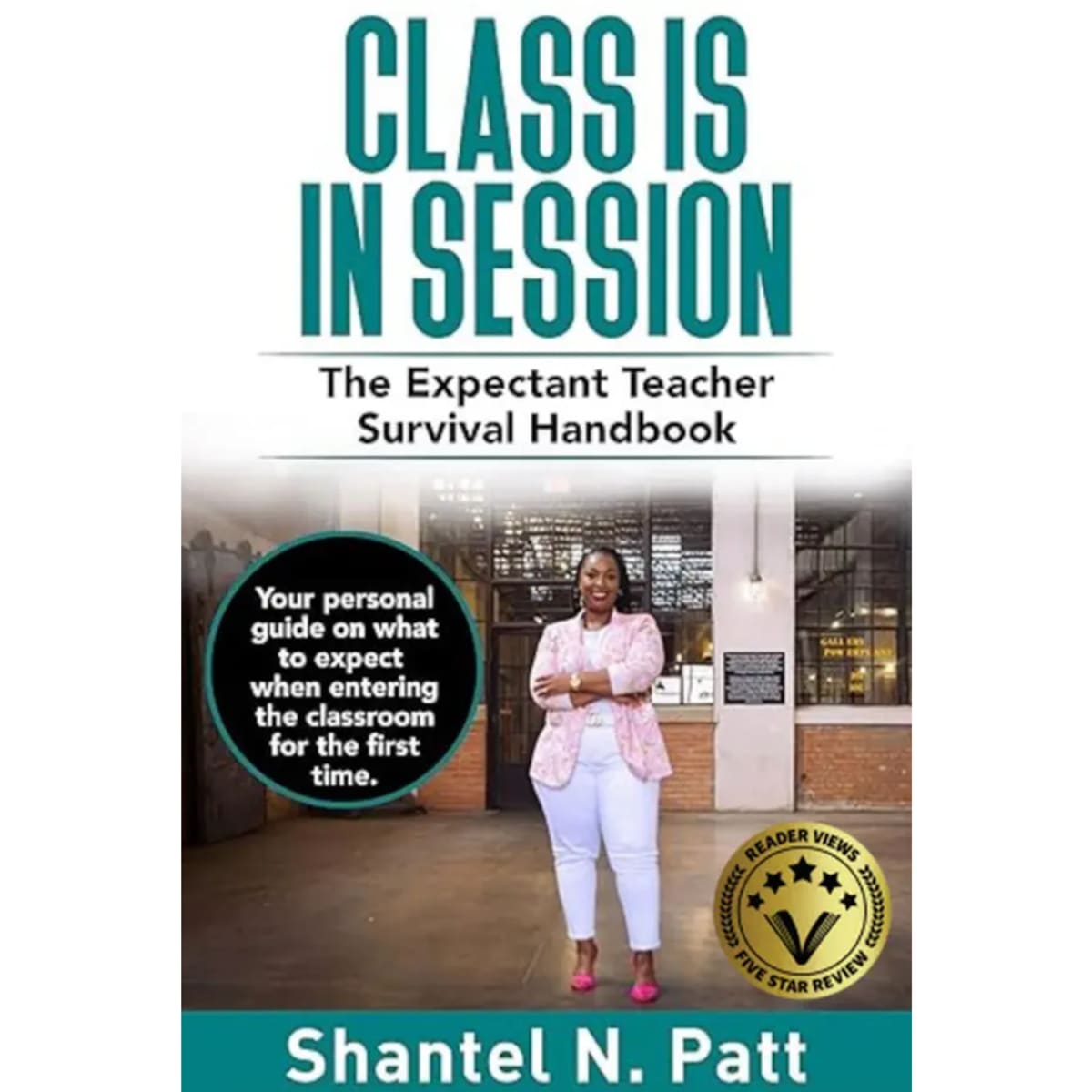
When I wrote Class Is In Session: The Expectant Teacher Survival Handbook, I wanted new teachers to have something practical. Something they could actually use when the excitement of getting a classroom finally turned into:
Okay… now what?
Because there is a lot to think about.
Where will your desk go?
Can you see every student from where you’re sitting?
What will students do when they walk through the door?
Where will they put their homework?
What happens when someone needs a pencil?
What happens when someone needs the restroom?
What happens when half the class finishes early?
What happens when someone is absent?
And because teaching likes to keep us humble…
What happens when the fire alarm goes off five minutes after you finally get everyone settled?
You learn quickly that the classroom isn’t just about lesson plans.
It’s about systems.
It’s about routines.
It’s about knowing what happens next before 25 little people start asking you what happens next.
So start simple.
Create a morning routine.
Create a dismissal routine.
Figure out attendance, lunch, restroom breaks, hallway procedures, homework, absent work, transitions, classroom jobs, and what students should do when they finish their work.
Post the schedule.
Post the calendar.
Post the lunch menu.
Know your emergency procedures.
Organize your supplies.
Have your emergency substitute folder ready — and then update it, because the only thing worse than needing a substitute folder is needing one that still has last year’s information in it.
Create attention signals.
Make your copies.
Have a few time-fillers ready to go.
And please…
Have a plan for what happens when the technology doesn’t work.
Because it will.
But here’s the part I wish every new teacher checklist included:
You don’t have to have it all figured out on day one.
Your classroom will change.
Your bulletin boards will change.
Your routines will change.
Your seating arrangement might change next week because you discovered that the children you thought would work beautifully together absolutely, positively should not sit together.
And that’s okay.
You’re not failing.
You’re learning your classroom.
Read your students’ files.
Learn their names.
Learn their personalities.
Pay attention to what makes them light up and what makes them shut down.
Build routines, but leave room for the humans inside them.
Because your students aren’t going to remember whether your bulletin board was Pinterest-perfect.
They are going to remember how you made them feel when they walked through your door.
And you are going to learn that being prepared doesn’t mean being perfect.
It means giving yourself enough structure to breathe.
That’s what the checklist is really for.
Not to make you the perfect teacher.
Not to make your classroom look like somebody else’s classroom.
Not to convince you that you should have everything figured out before the first bell rings.
It’s there to help you remember the things that are easy to forget when you’re busy trying to remember everything.
So make the checklist.
Use it.
Cross things off.
Add things to it.
Change it when you discover something that works better.
And when something doesn’t work?
Change that too.
Because becoming a teacher doesn’t happen all at once.
It happens in the little adjustments.
The first routine that finally works.
The transition that stops taking fifteen minutes.
The student who finally knows exactly what to do without asking.
The morning that feels a little less chaotic than the one before.
Those moments matter.
You’re not just setting up a classroom.
You’re becoming the teacher you’re going to be.
And that takes time.
So take a breath.
Make the list.
Start where you are.
And give yourself permission to learn the rest along the way.
If you’re navigating your own season of teaching, learning, growing, and figuring things out along the way, you’ll find more reflections like this here:
https://www.pinterest.com/growreadlearn/quietly-becoming/
A place for reminders that becoming doesn’t always happen loudly.
Sometimes it happens in the quiet moments — in figuring out what works, giving yourself permission to change what doesn’t, and realizing that you’re becoming the teacher you were meant to be one day, one classroom, and one little adjustment at a time.